
How to Keep Your Aquarium Crystal Clear Year-Round: Expert Maintenance Tips for Novi, MI
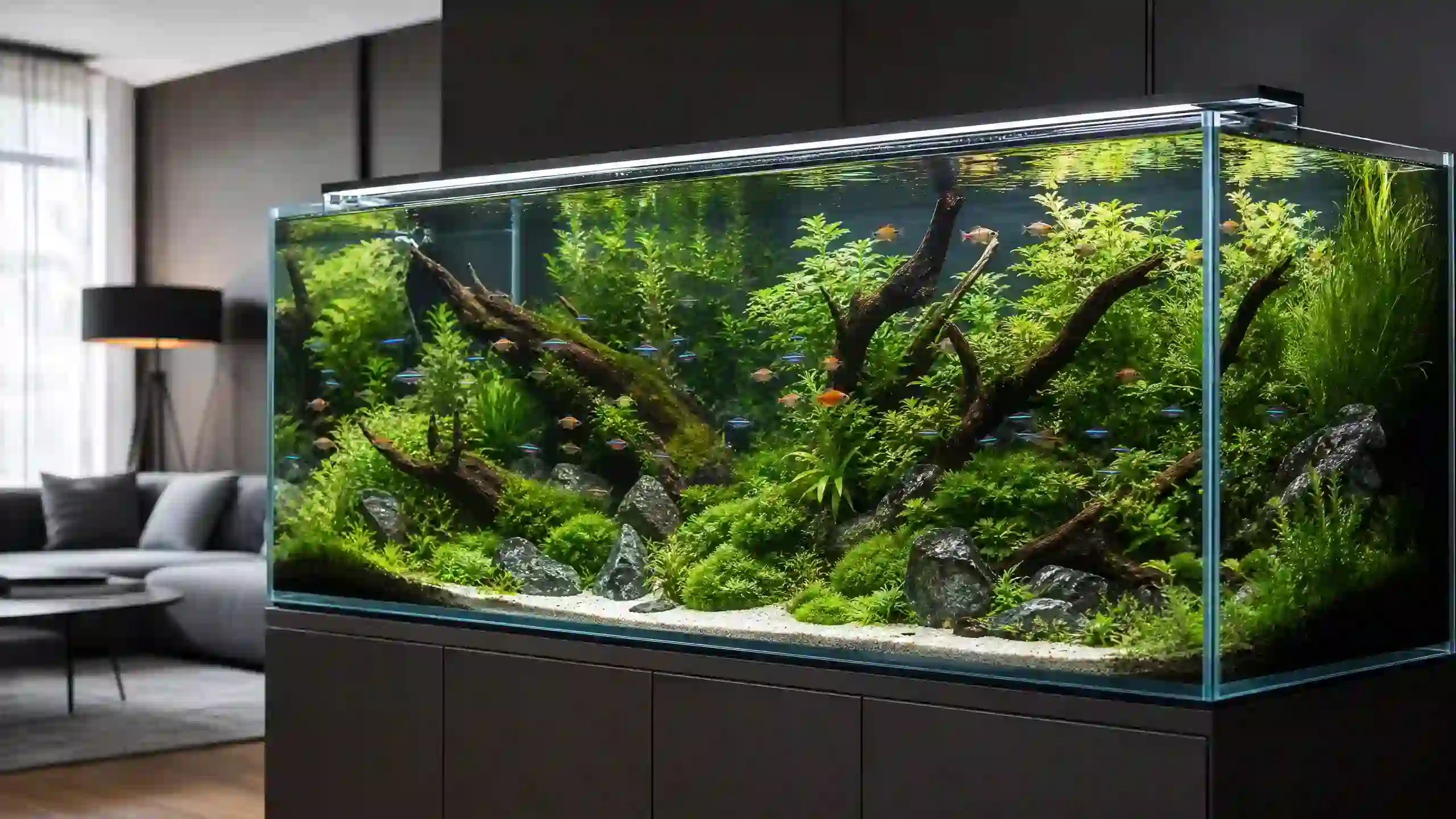
A beautiful aquarium can completely transform a room. Whether it is the centerpiece of your living room, a calming feature in your office, or an eye-catching display in a medical practice, a clean aquarium creates a healthier environment for fish while providing an enjoyable experience for everyone who sees it.
Unfortunately, many aquarium owners discover that keeping water crystal clear is not as simple as filling a tank and feeding the fish. Cloudy water, algae growth, unpleasant odors, and unhealthy fish often develop when routine maintenance is overlooked.
The good news is that these problems are usually preventable. With consistent care and a good understanding of aquarium maintenance, your aquarium can remain healthy and attractive throughout every season.
If you live in Novi, MI, changing indoor temperatures, seasonal sunlight, and busy schedules can all affect aquarium conditions. Following a regular maintenance routine helps prevent small issues from becoming expensive problems.
Why Water Quality Matters
Many people think clear water automatically means a healthy aquarium. While appearance is important, water quality goes much deeper.
Fish constantly produce waste. Uneaten food breaks down. Plants naturally shed leaves. Even beneficial bacteria create byproducts as part of the biological filtration process.
Without proper maintenance, these materials release compounds that can become harmful over time.
Healthy aquarium water depends on maintaining stable levels of:
- Ammonia
- Nitrite
- Nitrate
- pH
- Temperature
- Oxygen
The natural nitrogen cycle allows beneficial bacteria to convert toxic ammonia into less harmful nitrate. However, this system only works effectively when the aquarium is properly maintained through filtration, water changes, and regular cleaning. According to the United States Environmental Protection Agency, healthy aquatic ecosystems rely on balanced water chemistry and proper nutrient management to support aquatic life.
Regular aquarium maintenance helps:
- Keep fish healthy
- Reduce stress on aquatic animals
- Maintain water clarity
- Prevent algae blooms
- Extend equipment life
- Protect your investment
Skipping maintenance for several weeks may not immediately cause visible problems, but declining water quality often develops slowly before fish begin showing signs of stress.
Common Causes of Cloudy Aquarium Water
Cloudy water is one of the most common concerns among aquarium owners. Fortunately, identifying the cause is often the first step toward fixing it.
Overfeeding
One of the biggest mistakes beginners make is feeding too much food.
Any food that is not eaten quickly begins decomposing, releasing ammonia into the water. This increases nutrient levels and encourages bacterial growth.
A good rule is to feed only what your fish can consume within two to three minutes.
Dirty Filters
Aquarium filters remove debris while housing beneficial bacteria.
If the filter becomes clogged, water circulation slows, reducing filtration efficiency. On the other hand, replacing all filter media at once may remove much of the beneficial bacteria that keep the aquarium balanced.
Instead, gently rinse reusable filter media in removed aquarium water during routine maintenance.
Too Much Sunlight
Natural sunlight can encourage rapid algae growth.
Aquariums placed near windows often experience green water or algae covering the glass.
Keeping tanks away from direct sunlight helps maintain better balance throughout the year.
Infrequent Water Changes
Even excellent filters cannot remove everything.
Nitrates continue accumulating over time and eventually reach levels that stress fish.
Routine partial water changes remove excess nutrients while replenishing important minerals.
The National Oceanic and Atmospheric Administration (NOAA) notes that maintaining balanced aquatic environments requires careful management of nutrients and water conditions to support healthy aquatic organisms.
A Simple Weekly Maintenance Routine
Many aquarium problems can be prevented with just a little attention each week.
A basic maintenance routine usually includes:
Check Equipment
Inspect:
- Filter operation
- Heater temperature
- Air pumps
- Lighting timers
Small equipment issues caught early often prevent major problems later.
Clean the Glass
Use an aquarium-safe algae scraper or magnetic cleaner to remove algae before it becomes difficult to clean.
Avoid household cleaning chemicals, as even tiny residues may harm fish.
Test Water Parameters
Using a reliable aquarium test kit allows you to monitor:
- pH
- Ammonia
- Nitrite
- Nitrate
Testing regularly helps identify changes before fish become stressed.
Remove Debris
A gravel vacuum removes fish waste and leftover food trapped within the substrate.
This simple step greatly improves water quality.
Replace Water
Most freshwater aquariums benefit from replacing approximately 15%–25% of the water every one to two weeks, although the exact amount depends on stocking levels, filtration, and aquarium size. Freshwater added to the aquarium should always be treated with a water conditioner to remove chlorine or chloramine before use.
According to the Smithsonian’s National Zoo & Conservation Biology Institute, maintaining clean water and stable environmental conditions is one of the most important aspects of successful aquarium care.
Seasonal Aquarium Care Tips for Novi, MI Homeowners
Living in Novi, Michigan, means experiencing four distinct seasons. While your aquarium is indoors and protected from outdoor weather, seasonal changes can still influence your aquarium environment.
Temperature fluctuations, changes in household routines, and differences in natural light exposure can all affect aquarium conditions.
A consistent maintenance schedule helps your fish remain comfortable throughout the year.
Spring Aquarium Maintenance
Spring is a good time to give your aquarium extra attention after the colder months.
During winter, homes are often heated more frequently, which can reduce indoor humidity and sometimes affect evaporation rates. As temperatures rise and homes receive more natural sunlight, algae growth can increase.
Spring maintenance tasks include:
- Checking heater accuracy
- Cleaning aquarium decorations
- Inspecting filters
- Testing water quality
- Removing excess algae
- Reviewing feeding habits
Spring is also an excellent time to evaluate whether your aquarium has enough space for growing fish or whether changes are needed to improve their environment.
Summer Aquarium Care
Summer temperatures in Novi can create challenges, especially for aquariums located near windows or in rooms with inconsistent cooling.
Higher room temperatures can increase water temperature, which affects oxygen levels in the aquarium.
During warmer months:
- Keep aquariums away from direct sunlight
- Monitor water temperature regularly
- Check that aquarium equipment is functioning correctly
- Watch fish behavior for signs of stress
Fish rely on stable water conditions. Sudden temperature changes can be more harmful than gradual seasonal adjustments.
Fall Aquarium Preparation
Fall is a good time to prepare your aquarium before colder weather arrives.
Consider:
- Checking heater performance before colder temperatures
- Cleaning filtration equipment
- Inspecting electrical connections
- Adjusting lighting schedules if daylight changes affect algae growth
Preventative maintenance is often easier and less expensive than correcting problems after they occur.
Winter Aquarium Maintenance
During Michigan winters, indoor heating systems may affect aquarium evaporation and water stability.
Winter care tips include:
- Checking water levels more frequently
- Maintaining stable room temperatures
- Avoiding placing tanks near heating vents
- Monitoring equipment regularly
A reliable aquarium routine becomes especially important during busy holiday periods when normal schedules may change.
Aquarium Maintenance Mistakes to Avoid
Even experienced aquarium owners can accidentally create problems. Understanding common mistakes helps protect your fish and your aquarium investment.
Mistake 1: Cleaning Everything at Once
A common misconception is that an aquarium should be completely emptied and scrubbed regularly.
However, completely replacing water and cleaning all surfaces at once can remove beneficial bacteria that help maintain a healthy nitrogen cycle.
A better approach is gradual maintenance:
- Perform partial water changes
- Clean equipment carefully
- Maintain biological filtration
- Avoid unnecessary disruption
A balanced aquarium is a living ecosystem, not simply a decorative container.
Mistake 2: Replacing Filter Media Too Frequently
Many aquarium owners replace filter cartridges too often because they appear dirty.
However, beneficial bacteria grow on filter media and play an essential role in breaking down waste.
Instead of automatically replacing filter material:
- Follow manufacturer recommendations
- Rinse reusable media when appropriate
- Replace only damaged or exhausted components
Maintaining beneficial bacteria helps create a more stable aquarium environment.
Mistake 3: Adding Too Many Fish
A beautiful aquarium can become unhealthy when overcrowded.
More fish means:
- More waste production
- Higher oxygen demand
- Faster nutrient buildup
- Increased maintenance requirements
Before adding new fish, consider:
- Aquarium size
- Fish species compatibility
- Adult fish size
- Filtration capacity
Responsible stocking is one of the best ways to maintain long-term aquarium health.
Mistake 4: Ignoring Small Changes
Fish often show signs of stress before serious problems develop.
Pay attention to changes such as:
- Reduced appetite
- Unusual swimming patterns
- Hiding more often
- Rapid breathing
- Damaged fins
Early attention can prevent small issues from becoming major aquarium problems.
The Benefits of Professional Aquarium Maintenance in Novi, MI
While many aquarium owners enjoy caring for their fish, maintaining a healthy aquarium requires time, knowledge, and consistency.
Professional aquarium maintenance services can be especially valuable for:
- Large residential aquariums
- Office aquariums
- Restaurant displays
- Medical facilities
- Commercial spaces
- Busy homeowners
A professional aquarium specialist understands how different fish species, filtration systems, plants, and water conditions work together.
Regular professional maintenance may include:
- Water testing
- Water changes
- Algae removal
- Filter maintenance
- Equipment inspections
- Aquarium cleaning
- Fish health observations
For businesses in Novi, MI, a professionally maintained aquarium also creates a welcoming environment for customers, employees, and visitors.
A clean aquarium communicates attention to detail and creates a relaxing atmosphere.
Research from organizations such as the Association of Zoos and Aquariums emphasizes the importance of proper aquatic animal care practices and maintaining appropriate environments for aquatic species.

Why Choose a Local Aquarium Maintenance Service in Novi, MI?
Working with a local aquarium professional provides several advantages.
A local provider understands the needs of homeowners and businesses in the Novi area, including:
- Local water characteristics
- Seasonal conditions
- Common aquarium challenges
- Customer expectations
Instead of searching for solutions after problems appear, routine professional maintenance helps prevent issues before they affect your aquarium.
Whether you have a small freshwater tank or a large custom aquarium installation, consistent care keeps your aquatic environment healthier and more enjoyable.
Frequently Asked Questions About Aquarium Maintenance
How often should an aquarium be cleaned?
Most aquariums benefit from regular weekly checks and partial water changes every one to two weeks. The exact schedule depends on aquarium size, fish population, filtration, and overall conditions.
Why does my aquarium water keep turning cloudy?
Cloudy water can result from several causes, including overfeeding, bacterial imbalance, dirty filtration systems, or excess waste buildup.
Testing the water helps identify the actual cause instead of treating only the visible symptom.
How often should aquarium filters be cleaned?
Filter cleaning schedules vary depending on the type of filter and aquarium setup. Filters should generally be maintained when water flow decreases or debris builds up, while avoiding unnecessary removal of beneficial bacteria.
Can sunlight affect my aquarium?
Yes. Direct sunlight can encourage algae growth and make temperature control more difficult. Aquariums usually perform best with controlled aquarium lighting.
Is professional aquarium maintenance worth it?
For many homeowners and businesses, professional aquarium maintenance saves time and helps prevent expensive problems caused by poor water quality, equipment issues, or improper care.
Keep Your Novi, MI Aquarium Healthy With Consistent Care
A thriving aquarium does not happen by accident. Clear water, healthy fish, and a beautiful display all depend on regular attention and proper maintenance.
By following a consistent routine, monitoring water conditions, and addressing problems early, aquarium owners in Novi, MI can enjoy the relaxing benefits of an aquatic environment for years to come.
Whether your aquarium is a small home feature or a large commercial display, proper care makes all the difference.
The Oceans Rus helps homeowners and businesses maintain beautiful, healthy aquariums through professional aquarium services designed around each unique setup.
References:
• United States Environmental Protection Agency — Water quality and aquatic
ecosystem information
• National Oceanic and Atmospheric Administration — Aquatic environment
information
• Smithsonian’s National Zoo & Conservation Biology Institute — Animal care and
aquatic education resources
• Association of Zoos and Aquariums — Animal welfare and aquatic care standards